

The Winter Solstice Above the 45th Parallel
Posted by Tweedle Farms on Dec 21st 2025
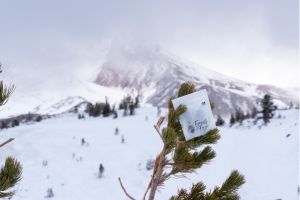
The winter solstice marks the shortest day and longest night of the year in the Northern Hemisphere. It usually lands around December 21st, and while it’s often talked about as a symbolic or cultural moment, it’s also a very real turning point for the land, especially if you live above the 45th parallel, where seasonal shifts are more extreme.
This is the point in the year when daylight reaches its minimum. After the solstice passes, the days begin to lengthen again—slowly at first, then more noticeably as winter gives way to spring.
If you spend time paying attention to the land, this is a big moment!
How Much Light Do We Get at the Winter Solstice?
At around 45° north latitude (which includes much of Oregon, Washington, Montana, the upper Midwest, New England, and parts of Canada), daylight drops to just under nine hours on the winter solstice.
That’s a big change from summer, when those same areas can see 15 - 16 hours of daylight.
In winter:
-
The sun stays low on the horizon
-
Light is weaker and less direct
-
Days feel shorter not just in length, but in energy
Plants feel this shift immediately. Photosynthesis slows. Growth above ground largely stops. Annual plants are long gone, and perennials have already pulled their energy down into roots and crowns.
What Happens After the Solstice?
The winter solstice is the low point, but it’s also the start of the climb back UP!
Starting the day after the solstice:
-
We gain seconds to about a minute of daylight per day in late December
-
By January, the gains are easier to notice
-
By February, daylight increases by 2 - 3 minutes per day
-
By the spring equinox, we’ll have added back more than six hours of light
The change is slow enough that you don’t feel it right away. Winter still feels like winter for a while. But biologically, the shift matters, and the land responds long before we do.
What the Land Is Doing During Winter
From the outside, winter looks still. But that doesn’t mean nothing is happening.
Below the surface:
-
Roots remain alive and active, even in cold soil
-
Microbial life continues breaking down organic matter
-
Nutrients are moving, stabilizing, and being stored
-
Perennial plants are holding energy for spring growth
For healthy land, this downtime is critical. Without it, soil gets depleted, plants burn out, and spring growth suffers. Winter acts as a reset, allowing biological systems to regroup before the next push.
Why Winter Matters for Farmers
For farmers and growers, winter is when the pace finally slows enough to think clearly.
This is when people:
-
Review what worked and what didn’t last season
-
Plan crop rotations and planting schedules
-
Make soil amendments and compost plans
-
Repair equipment and infrastructure
-
Order seeds and supplies before spring hits
At northern latitudes, the growing window is shorter, which means preparation matters even more. There’s less room for error when the light finally returns.
Looking Ahead
Once the solstice passes, we’re technically moving toward spring, even if snow and cold still dominate the forecast. Each day brings a little more light, and a little more possibility.
For the land, this is the quiet groundwork that will allow our CBD flower to thrive next season. And for those of us who work with plants, soil, and seasons, the winter solstice is simply a part of the cycle.