


Harvest Season at Tweedle Farms: Into the Cure Room
Posted by Tweedle Farms on Oct 13th 2025
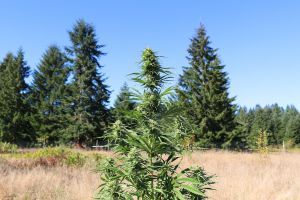
Harvest season is one of the most exciting times at the farm. Every row tells a story of months of sunlight, soil, water, and care culminating in resin-rich CBD flower. But what exactly happens when a cannabis plant reaches maturity, and what comes next? Let’s dig into the science of ripening and walk through the post-harvest process that ensures every jar of flower we share reaches its full potential.
The Science of Maturity
In the final weeks of a cannabis plant’s life cycle, it shifts all its remaining energy into the flowers. Here are some of the key changes you’ll see:
-
Pistils (the “hairs”): Early in flowering, pistils stand upright and white, but at maturity, they curl inward and darken to hues of amber, orange, or brown. This signals that pollination hasn’t occurred and the plant has completed its reproductive effort.
-
Trichomes (the resin glands): These tiny, mushroom-shaped structures are where cannabinoids and terpenes are produced. Under magnification, they start clear, turn cloudy/milky (peak cannabinoid content), and finally shift to amber. Growers often target a mix of milky and amber trichomes to balance potency and effect.
-
Aromatics: As terpenes mature, the aroma intensifies. This is why fields nearing harvest can be smelled from a distance—rich notes of fruit, fuel, spice, and earth hang in the air.
This moment is the pinnacle of the plant’s life cycle, but it’s also just the beginning of the post-harvest journey.
The Post-Harvest Process
Once our hemp flower has reached maturity, timing and technique become everything. Each step after harvest plays a critical role in preserving cannabinoids, terpenes, and overall quality.
1. Bucking the Water Leaves
After plants are cut, large fan leaves and water leaves (the bigger leaves without many trichomes) are removed. This step opens up airflow and helps prevent excess moisture during the drying process, thereby reducing the risk of mold.
2. Breaking Down the Plants
The stalks are sectioned into manageable branches or whole colas, depending on the size and structure of the plant. This makes it easier to space them evenly in the drying space.
3. Drying
Branches are rack-dried in a dark, climate-controlled room with balanced temperature and humidity. The goal: slow drying over 7–14 days. Too fast, and terpenes volatilize or chlorophyll lingers, leaving a grassy taste. Too slow, and mold can take hold. Proper drying locks in aroma, smoothness, and potency.
4. The Curing Stage
Once stems snap (rather than bend), dried flower is trimmed and moved into curing containers. Over the next few weeks, moisture redistributes evenly throughout the buds while chlorophyll breaks down, mellowing harshness. Containers are “burped” (opened) regularly to release gases and prevent stagnation.
Curing is where good flower becomes great flower. It’s the stage that deepens aromas, smooths the smoke, and allows the true character of the strain to shine.
Why It Matters
Every step from ripeness to curing is about protecting what nature created: the resinous trichomes that carry cannabinoids and terpenes. Without careful handling, the potency, flavor, and aroma that define each strain could easily be lost.
At Tweedle Farms, we treat post-harvest as an extension of cultivation itself. It’s the final act in a long performance—a way of honoring the plant’s life cycle and ensuring our customers experience flower (and pre rolls, smalls, and shake, of course!) that’s as clean, flavorful, and effective as the day it left the field.